
RU Contact us
Pentest / EXT · INT · APP · LLM

We walk your perimeter the way an attacker would

External and internal network pentests, web and mobile applications, APIs and LLM systems. We show a path, not a list of vulnerabilities: where an attacker gets in, how they reach the data and what breaks the chain.

+ YOUR PERIMETER InternetVPN gatewayWorkstationDomain controllerData and backupsWeb appAI assistantAttack path / exampleT+00:00
+
The year in numbers

Why going untested is no longer an option

Journal→
0131%

of breaches start with exploiting a vulnerability, the top way in for the first time in 19 years

Verizon DBIR 2026 ↗
0248,185

CVEs were published in 2025, a record

The Stack, January 2026 ↗
0343 days

median time to fix vulnerabilities from the CISA KEV catalog; only 26% get fully fixed

Verizon DBIR 2026 ↗
0448%

of breaches involve a third party, up 60% in a year

Verizon DBIR 2026 ↗
0514 days

median time an attacker stays in a network undetected

Mandiant M-Trends 2026 ↗
0622 s

median time to hand off access to a second threat group; over 8 hours in 2022

Mandiant M-Trends 2026 ↗
07$4.99M

average cost of a breach, a record, up 12% in a year

IBM Cost of a Data Breach 2026 ↗
0850%

of AI system pentests found at least one severe issue, about twice the rate of standard web applications

CyberCX Hack Report 2026 ↗
+
What we test

Four kinds of pentest

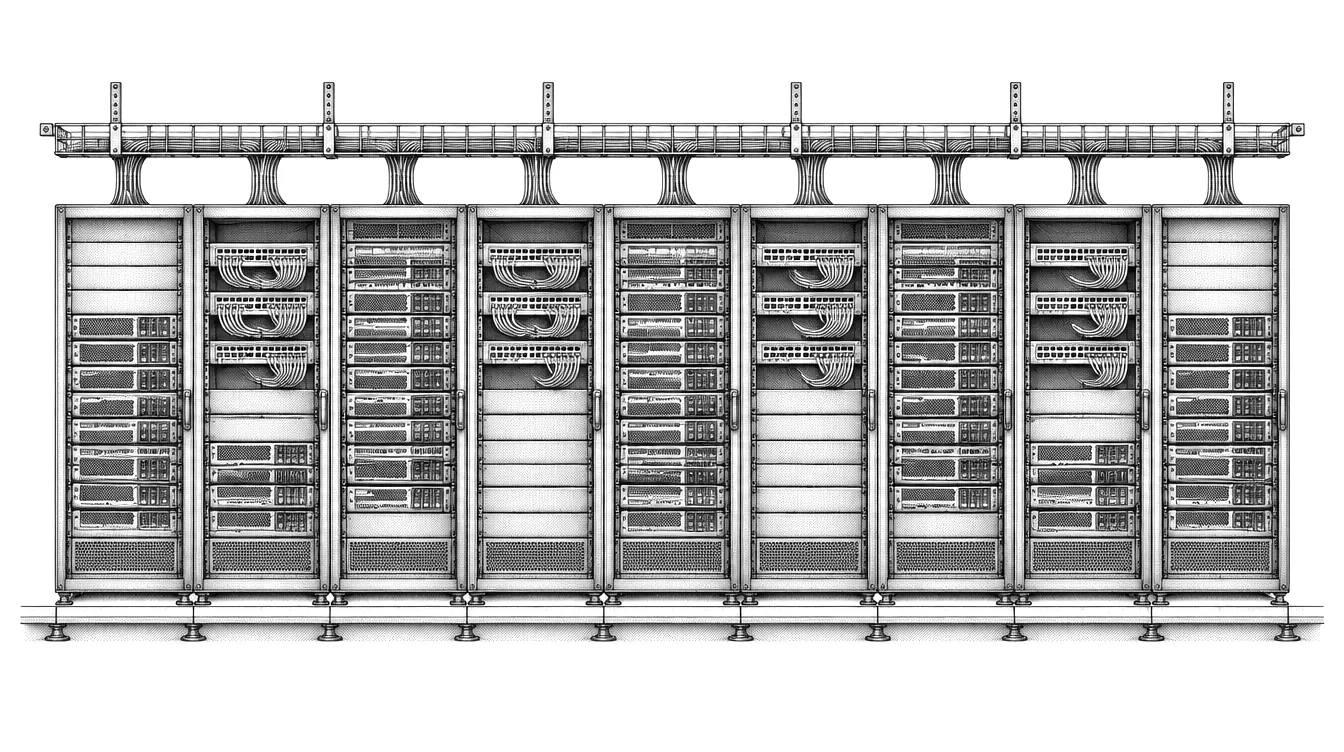
EXT / perimeter probing

External network pentest

What an attacker sees and can reach from the internet with no access at all.

  • Published services, subdomains and forgotten test hosts
  • VPN, remote access and mail
  • Cloud resources and storage
  • Leaked employee credentials
PTES · NIST SP 800-115
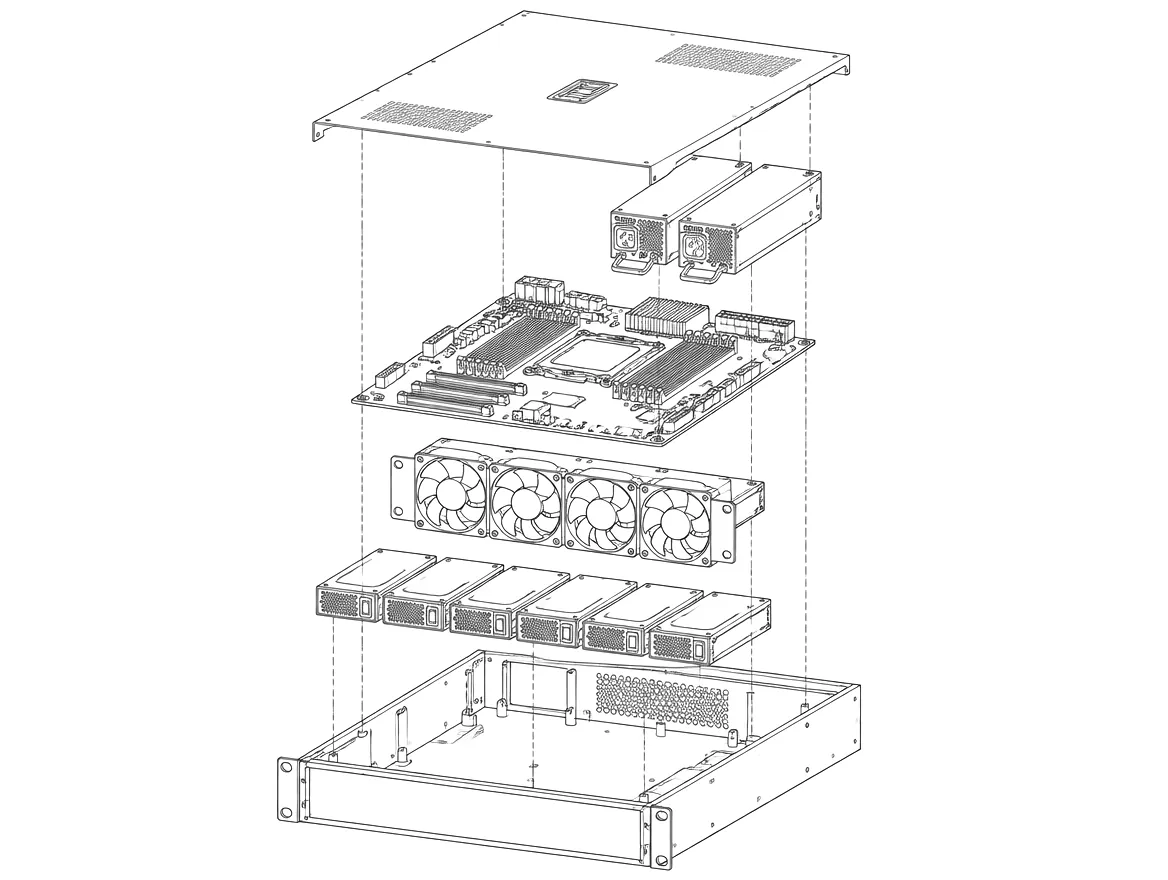
INT / segment matrix

Internal network pentest

An intruder inside: an infected computer, a contractor or an employee.

  • Segmentation and access to critical systems
  • Active Directory and certificate services
  • Lateral movement and privilege escalation
  • Backups and management tooling
MITRE ATT&CK
APP / identifier enumeration

Applications: web, mobile, API

Logic and access: can one user see or change someone else's data.

  • Authorization and access to other users' objects
  • Business logic, limits, race conditions
  • Sessions, tokens and sign-in
  • Injection and file upload
OWASP WSTG · ASVS · MASVS · API Top 10
LLM / instruction in a document

LLM and AI applications

Assistants, agents and document search: what the model does on someone else's instruction.

  • Direct and indirect prompt injection
  • Leakage of system instructions and data
  • Tool and agent permissions
  • Model output handling and resource consumption
OWASP LLM Top 10 (2026)
+
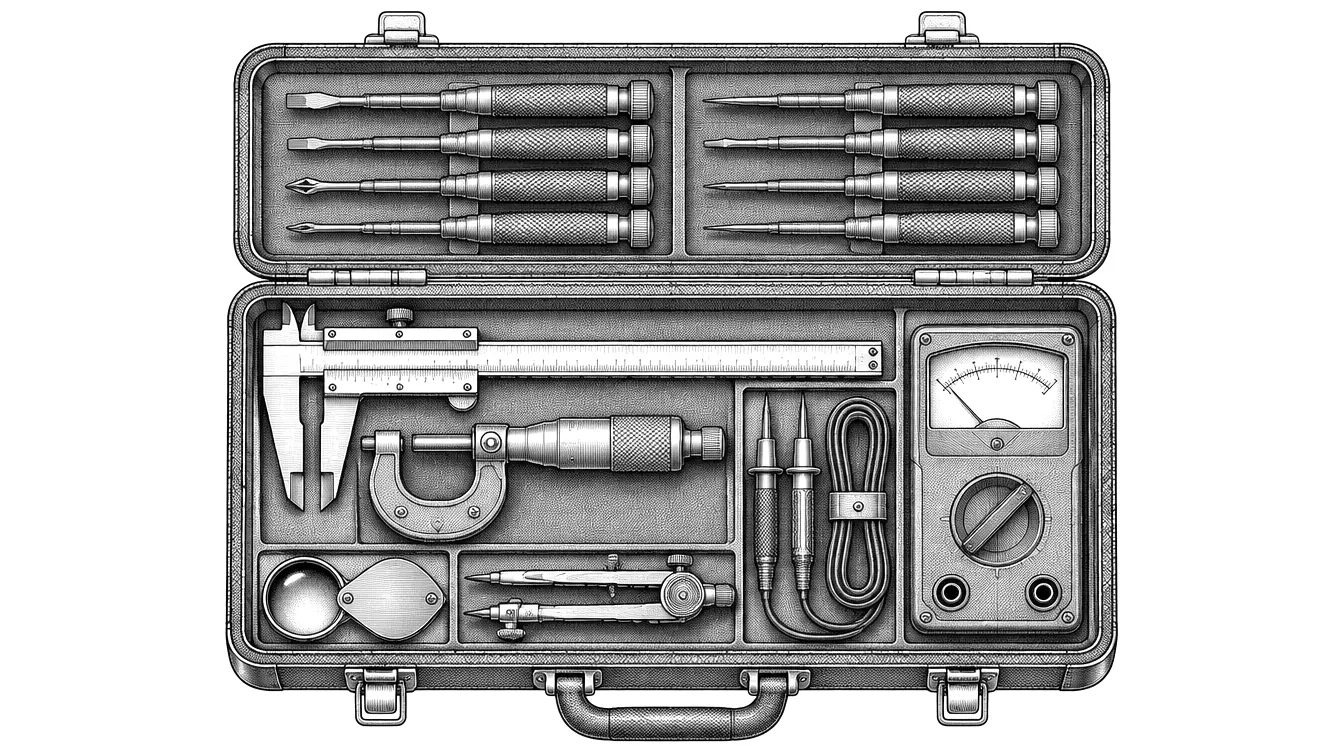
An engineer's precision instrument case
ATK / checks and models
DEF / detection
Our own tooling

We attack and defend with our own tools

ATK
  • Our own check suites and attack scenarios
  • Models that handle recon, inventory and finding triage
  • Labs for rehearsing attack chains before touching your systems
  • Adversarial prompt suites for LLM applications
DEF
  • Ronda, part of Vallum: sees the infrastructure, finds leaks and helps close them
  • Detection rules from every pentest
  • CI tests for the vulnerability classes we found
  • Retesting fixes with the same tools
+
Process / 05

From scoping to retest

  1. 01

    Scope

    Targets, timing, windows and forbidden actions.

  2. 02

    Recon

    A map of the perimeter, services and accounts.

  3. 03

    Attack

    Find vulnerabilities and verify where they lead.

  4. 04

    Report

    The attack path, evidence and priorities.

  5. 05

    Retest

    Verify that the fixes closed the path.

+
Deliverables

What you receive

A

Executive report

Risks in plain language, on one or two pages.

B

Technical report

Reproduction steps, evidence, affected systems.

C

Remediation plan

What to close first to break the attack path.

D

Detection rules

What to look for in logs if the path is tried again.

+
Questions

Frequently asked questions

01How is a pentest different from a vulnerability scan?

A scanner finds known vulnerabilities one by one. A pentest checks where they lead together: from which point an attacker reaches the data or admin rights. We use scanners, but we verify every finding by hand.

02Will you break production systems?

Scope, windows and forbidden actions are agreed in advance. Risky checks run on copies or at an agreed time, and we stay in contact with your on-call engineer throughout.

03How long does a pentest take?

It depends on scope: the number of addresses, applications and network segments. We give the timeline once the scope is agreed, before work starts.

04How often should it be done?

At least once a year and after major changes: a new application, a migration, a perimeter change. A retest after fixes is essential: per Verizon DBIR 2026, known exploited vulnerabilities take a median of 43 days to fix.

05What do you need from us?

A point of contact on your side, an agreed scope and, for an internal test, a network access point or an ordinary employee account.

06What do you test in LLM applications?

Direct and indirect prompt injection, leakage of system instructions and data, tool and agent permissions, handling of model output in the interface, and resource consumption. We follow the OWASP LLM Top 10.

+
Contact

Describe your task

Tell us what is happening and what has been tried. The engineer who will handle it replies.