RU Contact us
VND / 08 of 09 · Cisco and other vendors

Hardware chosen for the task, not the other way round

We work with Cisco and other vendors. We choose by how the solution will behave in your network three years from now.
When people call us
  • 01Supplier quotes cannot be compared with each other
  • 02The hardware is bought, but the needed feature requires another license
  • 03Half of the fleet is out of support
  • 04Two vendors do not get along where they meet
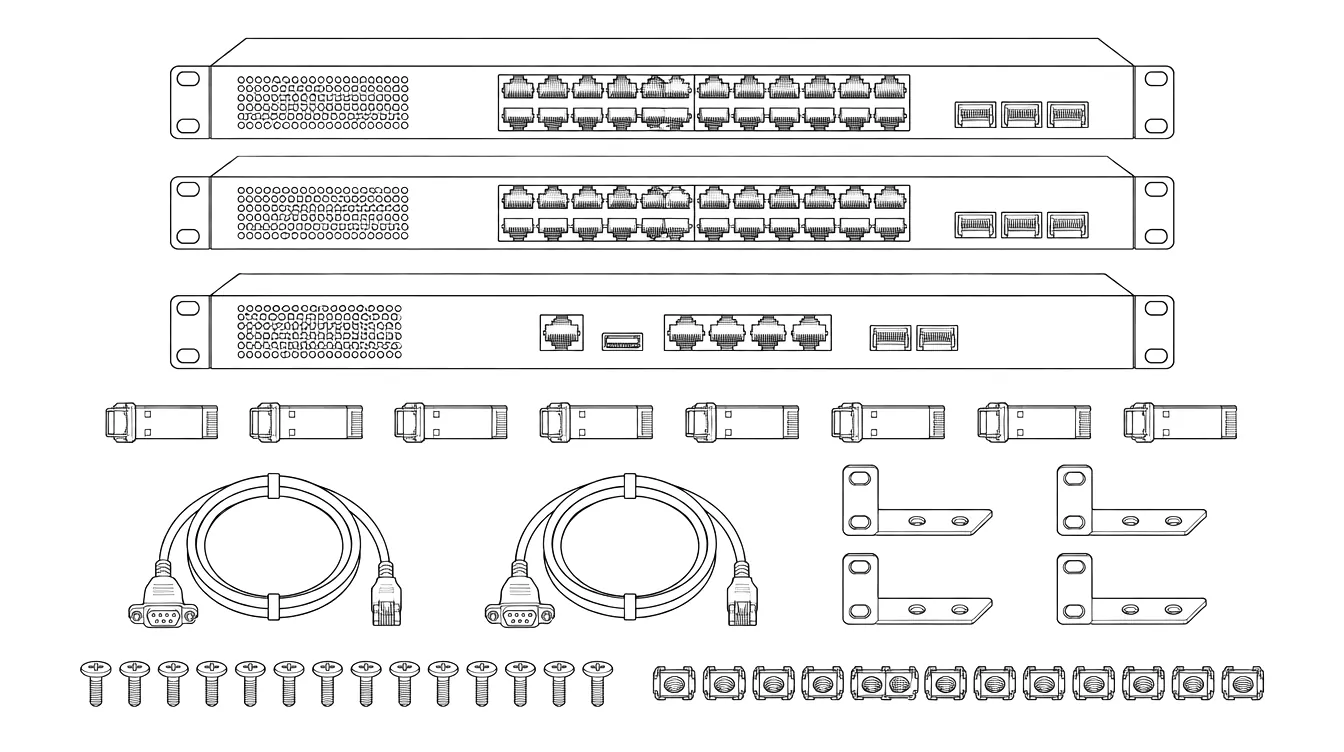
+Cisco and other vendors: ink illustration
EOL / support ends in 5 months
LIC / the feature requires a subscription
VND / 08Findings are illustrative
+
Day one

What we check first

  • Inventory the hardware with versions and support dates
  • Check which licenses are actually in use
  • Verify interoperability: protocols, transceivers, versions
  • Decide what stays and what gets replaced first
Cheat sheet

What to compare besides the price

  • End-of-sale and end-of-support dates
  • Which features need a separate license or subscription
  • Throughput with features enabled, not “up to”
  • Transceiver and protocol interoperability with neighbouring gear
  • Spare part lead times and replacement terms
+
Failure patterns

Where it usually breaks

A

Bought by the datasheet

The datasheet numbers add up. Under real traffic with features enabled, throughput is half of that.

B

The licensing trap

The device is cheap, but high availability, encryption and support are sold separately, every year.

C

Where two worlds meet

Each vendor reads the standard its own way. Aggregation or routing between them works until the first upgrade.

+
Outcome

What you keep

  • Options compared by total cost of ownership
  • A bill of materials with licenses and support dates
  • A lab or pilot to verify before purchase
← DC

Data centers

ESC →

Hard problems

+
Contact

Describe your task

Tell us what is happening and what has been tried. The engineer who will handle it replies.